Horizontal-Lockup.jpg

This archived content created prior to April 24, 2026 is being made available for reference, research, or recordkeeping purposes only and may not meet current web content accessibility standards. If required, an accessible version of this content can be made on request.
Colorectal cancer, a cancer of the colon or rectum, is the third most frequently diagnosed cancer in the state of Hawaiʻi, according to the University of Hawaiʻi Cancer Center's Hawaiʻi Tumor Registry. Approximately 717 new cases are diagnosed each year in the islands. Researchers at the UH Cancer Center have undertaken a number of initiatives that seek to decrease these alarming rates of colorectal cancer incidence and mortality. One of these initiatives is the UH Cancer Center's participation in an international study on colon cancer.
In 1997, the National Cancer Institute established the Colon Cancer Family Registry (CCFR) which is composed of six institutes throughout the U.S., Canada and Australia. The registry follows those diagnosed with colorectal cancer and their affected and unaffected family members to learn more about the impact of genetics and lifestyle factors on colorectal cancer risk.
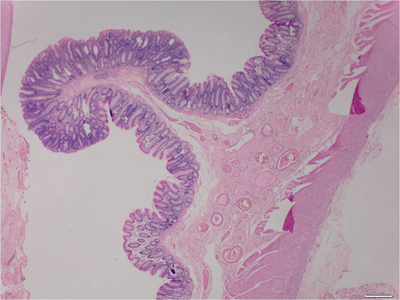
The CCFR site in Hawaiʻi, located at the UH Cancer Center, is also known as the Hawaiʻi Colorectal Cancer Family Registry Cohort (HCCFRC). HCCFRC researchers and coordinators have recruited more than 600 families in Hawaiʻi for a total of 2,266 participants, who donate blood and tumor samples which are tested for genetic variants. These samples help to better predict participants' risk for cancers of the colon and rectum, and may be used to find the best ways to prevent them.
"The UH Cancer Center's participation in this international colorectal cancer study is significant because Hawaiʻi's population is unlike any other," said Randall Holcombe, UH Cancer Center director. "Data from the HCCFRC has the ability to help families-not only within our own community, but throughout the rest of the world as well."
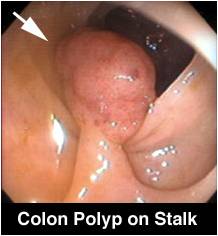
Due to Hawaiʻi's unique racial and ethnic population, information from the HCCFRC is especially important in guiding research on colorectal cancer risk, treatment and prevention for racial and ethnic minorities. Since it was established in 1997, the CCFR site in Hawaiʻi has sought to identify those at high risk of colorectal cancer and to improve health outcomes.
Although the study is not enrolling new participants at this time, there are a number of measures that you can take to reduce your risk for colorectal cancer. Since the majority of new colorectal cancer cases occur in people who are 50 years of age and older, the U.S. Preventive Services Task Force recommends that those between the ages of 45 and 75 get regular screenings. Individuals with an increased risk for colorectal cancer are advised to talk to their doctor about when to begin screening, which test is right for them, and how often they should get tested. Screenings are the key to cancer prevention and early detection. Those with a strong family history of cancer may also ask their physician if genetic counseling is advisable.
###
About the University of Hawaiʻi Cancer Center
The University of Hawaiʻi Cancer Center is dedicated to saving lives in Hawaiʻi and the Pacific, and inspiring hope by working to conquer cancer. The flagship priority is to understand and address cancer health disparities. The center strives to achieve this through research, education, patient care, and community outreach, focusing on the unique and diverse ethnic, cultural, and environmental characteristics of Hawaiʻi and the Pacific.
The UH Cancer Center is one of only 74 institutions designated by the National Cancer Institute (NCI), representing a significant mark of excellence, and is the only NCI-designated cancer center in Hawaiʻi and the Pacific. The center contributes more than $57 million to Hawaiʻi's economy through scientific research, clinical trials, and other activities.
As part of the University of Hawaiʻi at Mānoa, the UH Cancer Center operates out of facilities located in Kakaʻako. The center directly employs more than 300 faculty and staff, with an additional 200 affiliate members and cooperative agreements with organizations that are part of the Hawaiʻi Cancer Consortium. The consortium includes The Queen’s Health Systems, Hawaiʻi Pacific Health, Kuakini Medical Center, Adventist Health Castle, Hawaiʻi Medical Service Association (HMSA), and the John A. Burns School of Medicine (JABSOM), all working together with the UH Cancer Center to advance cancer research and treatment in the state.
Learn more at https://www.uhcancercenter.org | Connect with us on Facebook | Instagram | X | LinkedIn