Horizontal-Lockup.jpg

This archived content created prior to April 24, 2026 is being made available for reference, research, or recordkeeping purposes only and may not meet current web content accessibility standards. If required, an accessible version of this content can be made on request.
HONOLULU - Researchers from the University of Hawaiʻi Cancer Center and Office of Public Health Studies found that patients who have type 2 diabetes in addition to other chronic diseases have a lower survival rate for colorectal cancer.
A study published in the International Journal of Cancer investigated the survival rates of colorectal cancer patients with or without type 2 diabetes, and with additional diseases such as heart disease or stroke. The findings showed type 2 diabetes alone does not significantly affect survival for colorectal cancer patients. However, patients with type 2 diabetes as well as other chronic diseases had a lower survival rate.
The researchers looked at 24 years of health data of more than 215,000 adults from California and Hawaiʻi who participated in the multiethnic cohort to identify predictors of survival. Among 3,913 new cases of colorectal cancer, the 707 participants with type 2 diabetes were compared to those without type 2 diabetes.

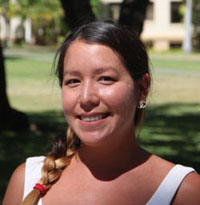
"The multiethnic cohort is an excellent resource that allows us to study diseases in diverse ethnic groups," said Yvette Amshoff, lead author and education coordinator at the UH Cancer Center. "Relationships between type 2 diabetes and colorectal cancer have been studied before, with most studies finding a lower chance of survival of those with both diseases. However, in our study population of Caucasian, African American, Native Hawaiian, Latino and Japanese, only Latinos with a history of type 2 diabetes had worse survival. This shows a possible disparity in healthcare that should be addressed."
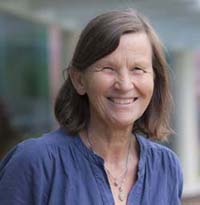
Added Andrew Grandinetti, study co-author and associate professor of epidemiology in the Office of Public Health Studies, "The findings that participants with additional diseases and possibly those with long-term type 2 diabetes experience higher mortality are significant to policymakers and health-care providers, because they encourage screening and early detection in colorectal cancer patients to help increase life spans."
Colorectal cancer is the second leading cause of cancer death in men and third among women in Hawaiʻi. There is an average of 224 deaths from colorectal cancer each year in the state, with an average of more than 700 new cases diagnosed each year, according to the UH Cancer Center's Hawaiʻi Tumor Registry. In the U.S., colorectal cancer is the fourth most commonly diagnosed disease. By 2040, 642 million people worldwide are predicted to have type 2 diabetes.
In addition to Amshoff and Grandinetti, research team members include Gertraud Maskarinec, a professor of epidemiology at the UH Cancer Center, and collaborators
at the University of Southern California's Keck School of Medicine and Norris Comprehensive Cancer Center.
For more information, visit: http://www.uhcancercenter.org
###
About the University of Hawaiʻi Cancer Center
The University of Hawaiʻi Cancer Center is dedicated to saving lives in Hawaiʻi and the Pacific, and inspiring hope by working to conquer cancer. The flagship priority is to understand and address cancer health disparities. The center strives to achieve this through research, education, patient care, and community outreach, focusing on the unique and diverse ethnic, cultural, and environmental characteristics of Hawaiʻi and the Pacific.
The UH Cancer Center is one of only 74 institutions designated by the National Cancer Institute (NCI), representing a significant mark of excellence, and is the only NCI-designated cancer center in Hawaiʻi and the Pacific. The center contributes more than $57 million to Hawaiʻi's economy through scientific research, clinical trials, and other activities.
As part of the University of Hawaiʻi at Mānoa, the UH Cancer Center operates out of facilities located in Kakaʻako. The center directly employs more than 300 faculty and staff, with an additional 200 affiliate members and cooperative agreements with organizations that are part of the Hawaiʻi Cancer Consortium. The consortium includes The Queen’s Health Systems, Hawaiʻi Pacific Health, Kuakini Medical Center, Adventist Health Castle, Hawaiʻi Medical Service Association (HMSA), and the John A. Burns School of Medicine (JABSOM), all working together with the UH Cancer Center to advance cancer research and treatment in the state.
Learn more at https://www.uhcancercenter.org | Connect with us on Facebook | Instagram | X | LinkedIn