Horizontal-Lockup.jpg

The studies focused on pancreatic and prostate cancer shed light on biomarkers associated with these two types of cancer.
Two studies from the University of Hawaiʻi Cancer Center that have made significant contributions to cancer epidemiology and genomics have been selected as part of 45 research highlights by the National Cancer Institute's (NCI) Division of Cancer Control Epidemiology and Genomics Research Program (EGRP).
The studies focused on pancreatic and prostate cancer shed light on biomarkers associated with these two types of cancer.
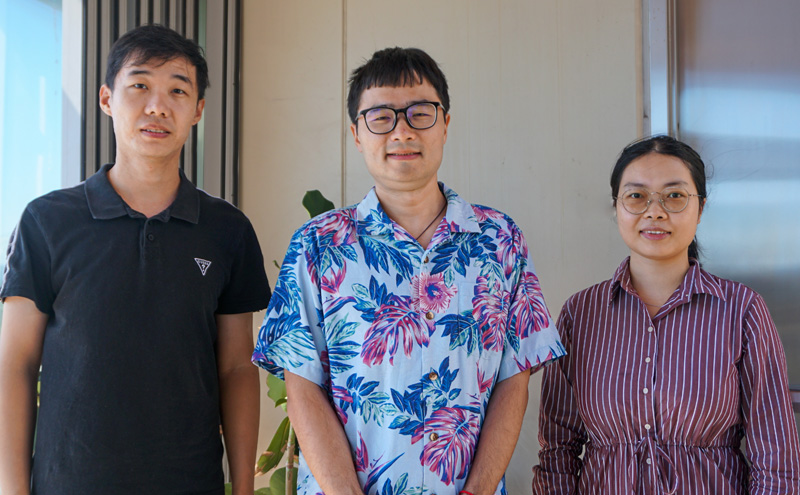
Our efforts of integrating various layers of omics (a type of molecule within an organism) data pinpoint novel biomarkers for relevant cancers that warrant further investigation of their exact roles in related diseases and potential utility in improving disease risk prediction,” said Lang Wu, associate professor and director of the UH Pacific Center for Genome Research.
Pancreatic ductal adenocarcinoma (PDAC) is a highly aggressive type of cancer that is featured by systematic metabolism––the overall chemical reactions within the body necessary for sustaining life. Researchers targeted observations of the disruption in the normal metabolic processes of the body.
In this study, published in the International Journal of Cancer, researchers conducted a complete study of substances in the blood to investigate the associations between genetically predicted metabolite levels and the risk of developing PDAC. The study identified five metabolites that were strongly associated with PDAC risk. Researchers further identified one bacteria to be associated with both one of the identified metabolites and PDAC risk. This discovery could provide insights into the causes of PDAC and improved treatment options.
Prostate cancer is a commonly diagnosed cancer in men. There is a critical need to identify newly discovered biomarkers (indicators within the body that can provide valuable insights into the development and progression of diseases) for improving the understanding of the origin and risk assessment of prostate cancer. This study, published in Human Molecular Genetics, aimed to identify novel protein biomarkers associated with prostate cancer risk using a novel design.
The study used comprehensive genetic prediction models to discover 24 proteins associated with prostate cancer risk. Out of these proteins, 16 were identified in previous studies, while eight were novel. Researchers further identified drugs targeting the identified proteins, which may serve as candidates for drug repurposing to reduce the burden of this common cancer.
###
About the University of Hawaiʻi Cancer Center
The University of Hawaiʻi Cancer Center is dedicated to saving lives in Hawaiʻi and the Pacific, and inspiring hope by working to conquer cancer. The flagship priority is to understand and address cancer health disparities. The center strives to achieve this through research, education, patient care, and community outreach, focusing on the unique and diverse ethnic, cultural, and environmental characteristics of Hawaiʻi and the Pacific.
The UH Cancer Center is one of only 74 institutions designated by the National Cancer Institute (NCI), representing a significant mark of excellence, and is the only NCI-designated cancer center in Hawaiʻi and the Pacific. The center contributes more than $57 million to Hawaiʻi's economy through scientific research, clinical trials, and other activities.
As part of the University of Hawaiʻi at Mānoa, the UH Cancer Center operates out of facilities located in Kakaʻako. The center directly employs more than 300 faculty and staff, with an additional 200 affiliate members and cooperative agreements with organizations that are part of the Hawaiʻi Cancer Consortium. The consortium includes The Queen’s Health Systems, Hawaiʻi Pacific Health, Kuakini Medical Center, Adventist Health Castle, Hawaiʻi Medical Service Association (HMSA), and the John A. Burns School of Medicine (JABSOM), all working together with the UH Cancer Center to advance cancer research and treatment in the state.
Learn more at https://www.uhcancercenter.org | Connect with us on Facebook | Instagram | X | LinkedIn